

amfori BSCI Social-Compliance Audit
The Kim Son factory has completed an amfori BSCI audit covering workplace and social-compliance conditions.
Audit status, scope and validity follow the current audit report.
Glovimex operates a main factory in Kim Son, Ninh Binh Province, and three satellite production facilities across Chuong My and My Duc, Hanoi. These facilities support B2B production of handwoven natural-fiber home décor for export.
Our production covers seagrass, water hyacinth, jute, bamboo and rattan products. We support OEM, ODM and private-label orders from sampling through export packing.
Our main factory is located in Kim Son District, Ninh Binh Province, Vietnam. It specializes in seagrass, jute and water hyacinth products. Seagrass is the common export term for the locally grown sedge used in these products.
The factory produces baskets, storage products, trays, lampshades and decorative accessories. It supports material preparation, sampling, handweaving, finishing, quality inspection and export packing.
The facility is fully operational and currently employs approximately 15–20 people. Workforce levels may vary according to the production schedule.
The Kim Son factory has completed an amfori BSCI social-compliance audit. Its quality management system is certified to ISO 9001:2015.

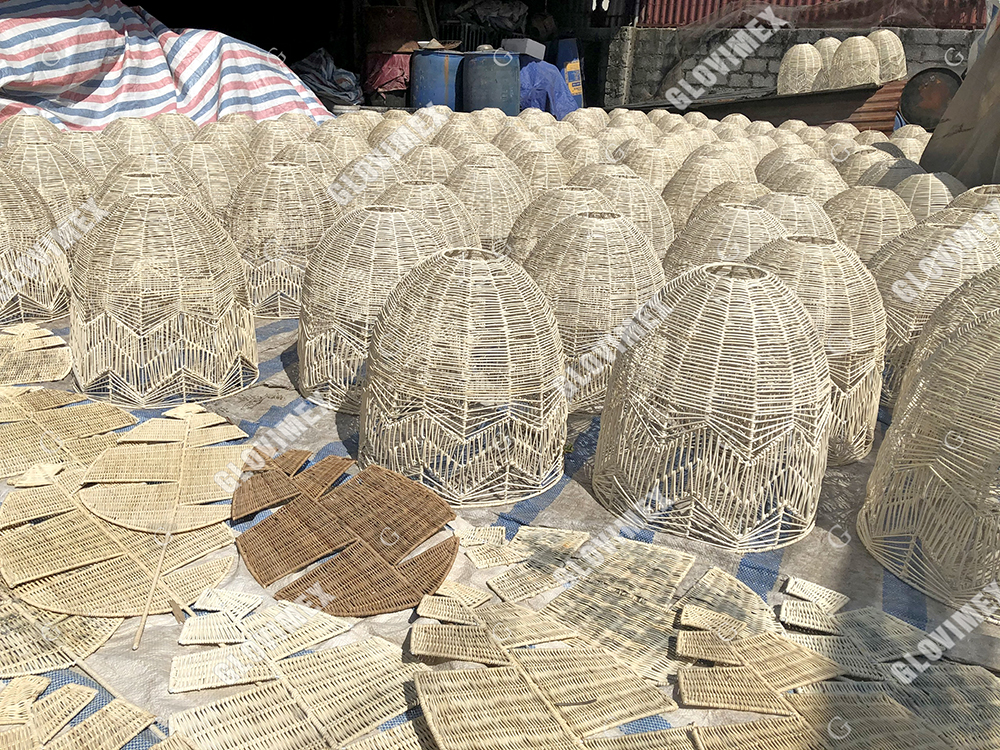
Our satellite factory is located in Chuong My District, Hanoi. It supports the production of bamboo and rattan home décor.
Production assignments depend on the material, product structure, order quantity and approved buyer specifications.
The following documents apply to the Kim Son production facility. Current audit and certification records can be shared with qualified buyers upon request, subject to document-sharing terms.
The Kim Son factory has completed an amfori BSCI audit covering workplace and social-compliance conditions.
Audit status, scope and validity follow the current audit report.

The Kim Son factory operates under an ISO 9001:2015-certified quality management system.
The system supports documented production controls, inspection procedures and process improvement.
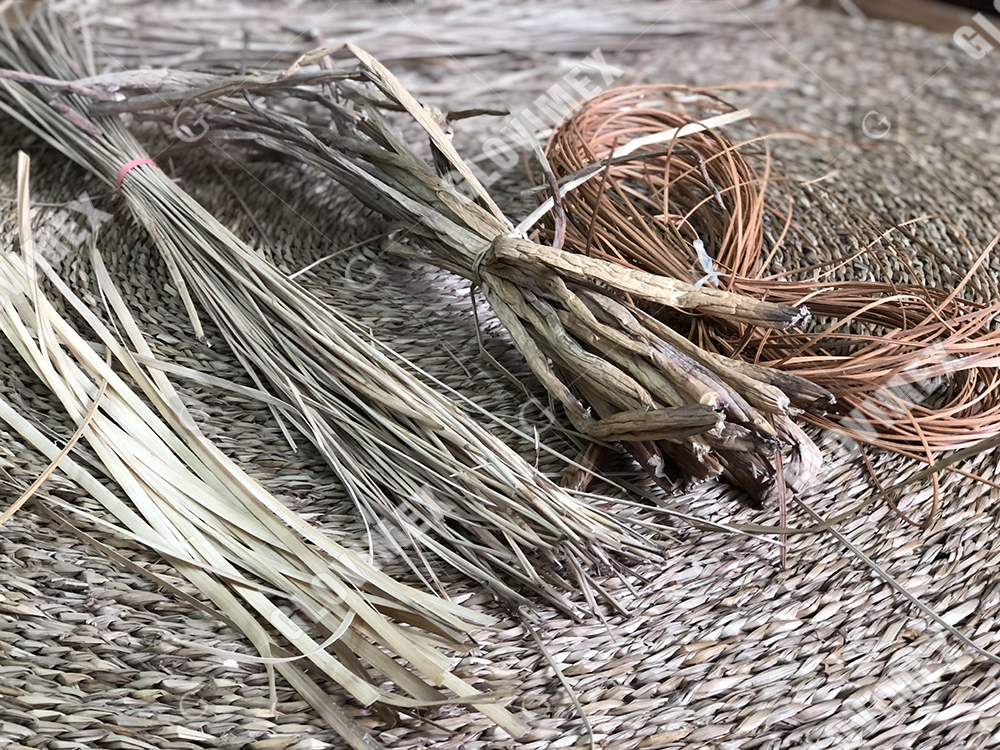
We source seagrass, jute, water hyacinth, bamboo and rattan through selected suppliers, cooperatives and local production networks.
The fibers are sorted and prepared before weaving. Preparation may include drying, splitting, sizing, braiding or dyeing.
Material dimensions and color references are confirmed during sample development.
Products assigned to our factories are handwoven according to the buyer-approved sample and written specification.
Where local production partners support handweaving, Vietrustic applies the same approved sample, product specification and quality-control requirements.
Wooden molds may be used to control product shape and dimensions. The molds are removed after weaving.
Some designs use powder-coated metal frames for structural support. These frames remain part of the finished product.
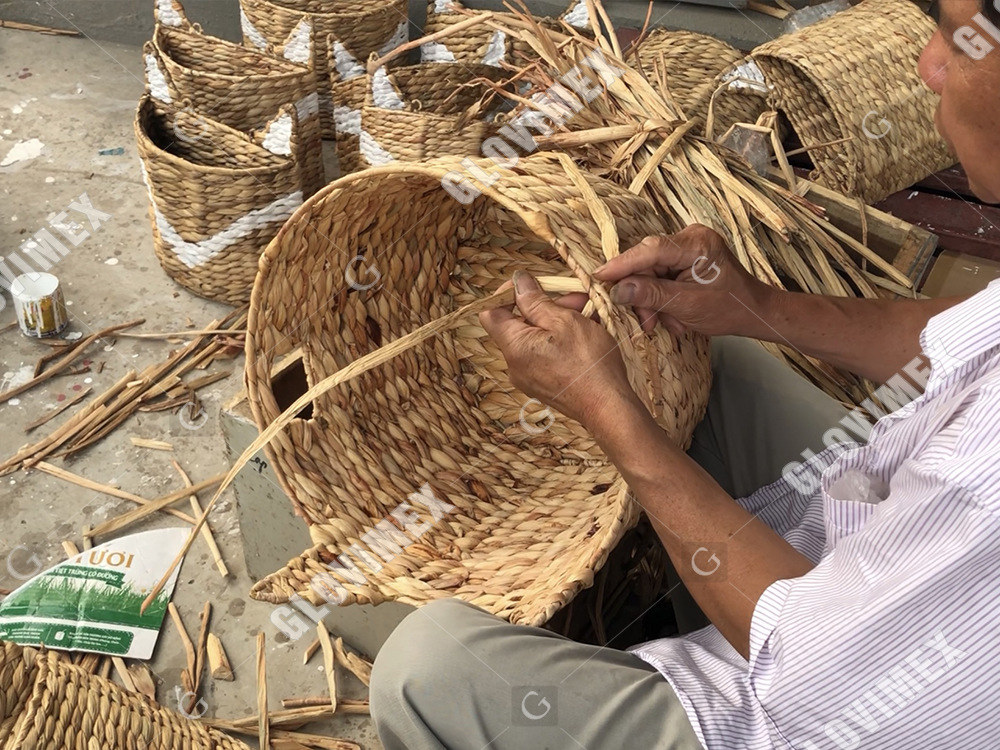
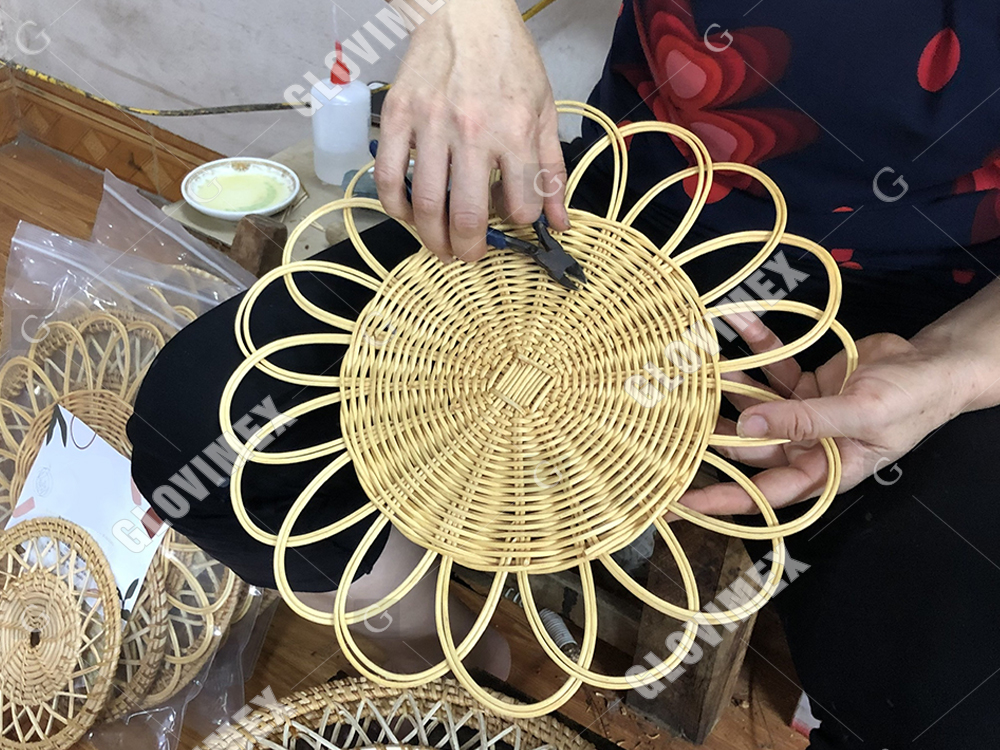
After weaving, our team trims loose fibers and checks the product’s shape, construction and surface finish.
Inspection may cover dimensions, weaving consistency, frame stability, color, cleanliness, labels and packaging.
Where an agreed moisture range of 12–14% applies, products are checked before packing. Final moisture requirements depend on the material, product structure and buyer specification.
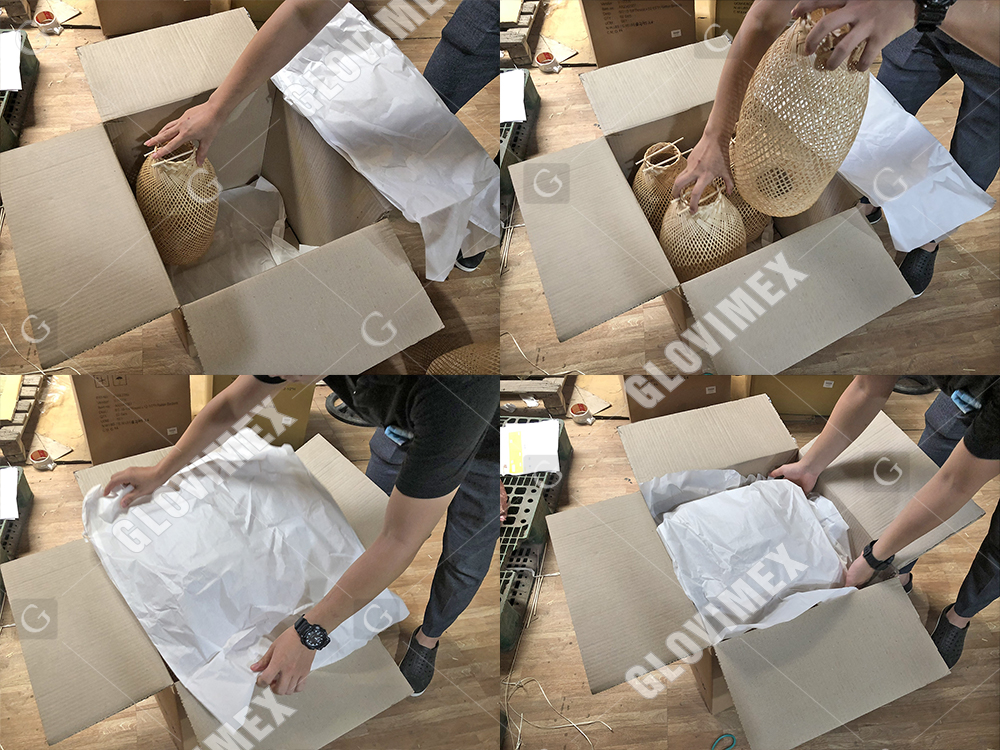
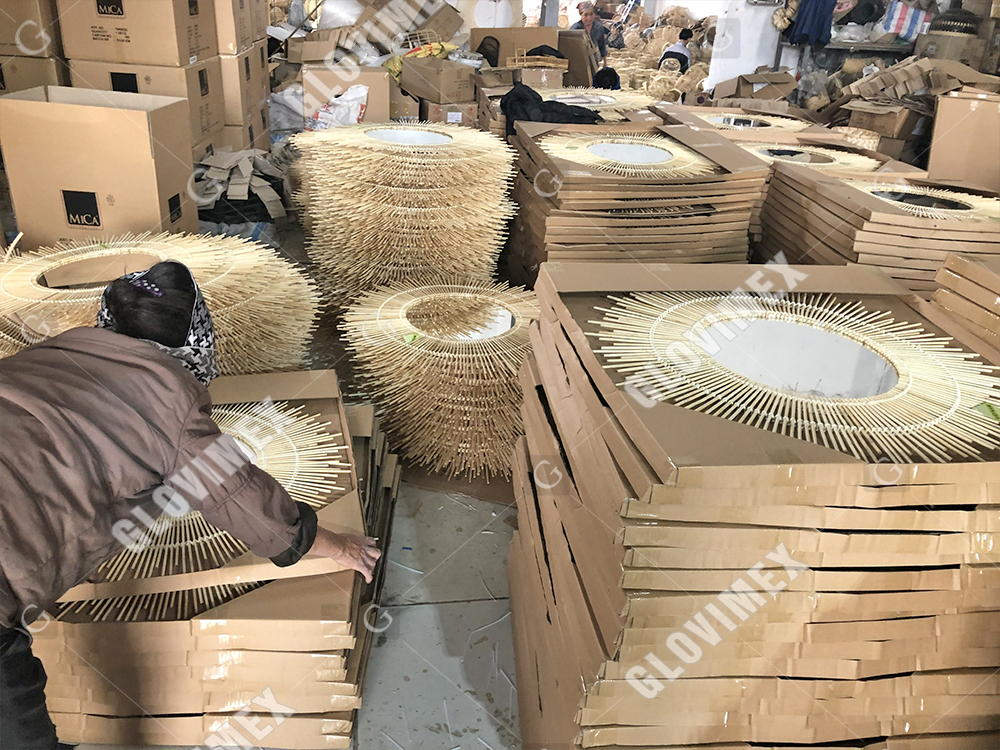
We select the packing method according to the product, destination and buyer requirements.
Standard options may include five-ply export cartons, kraft paper, PE inner bags and silica-gel desiccants.
These measures help control moisture during storage and shipment. They do not guarantee that mold cannot develop under every condition.
Private-label options may include individual boxes, hangtags, labels, barcodes and printed carton markings.
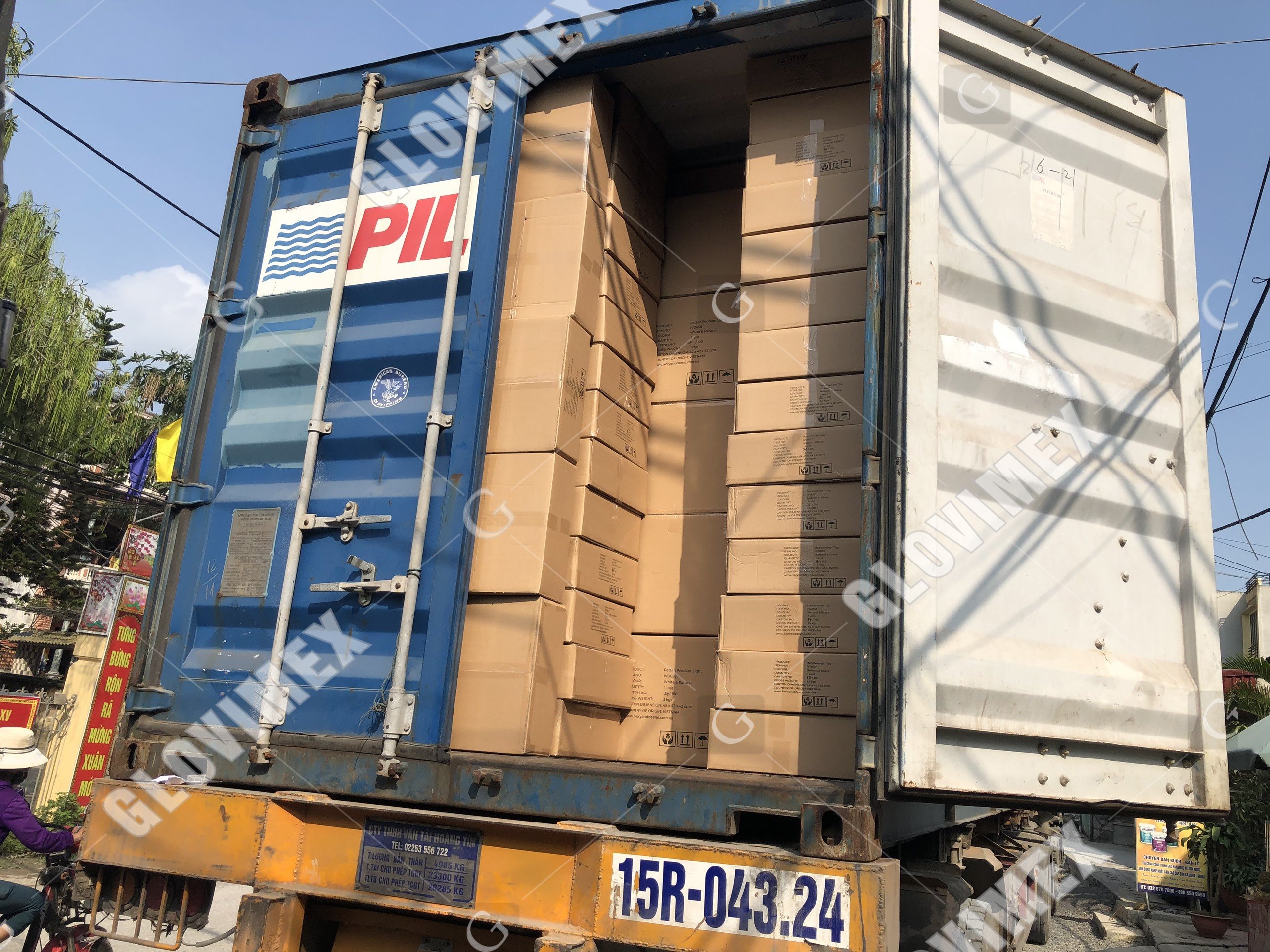
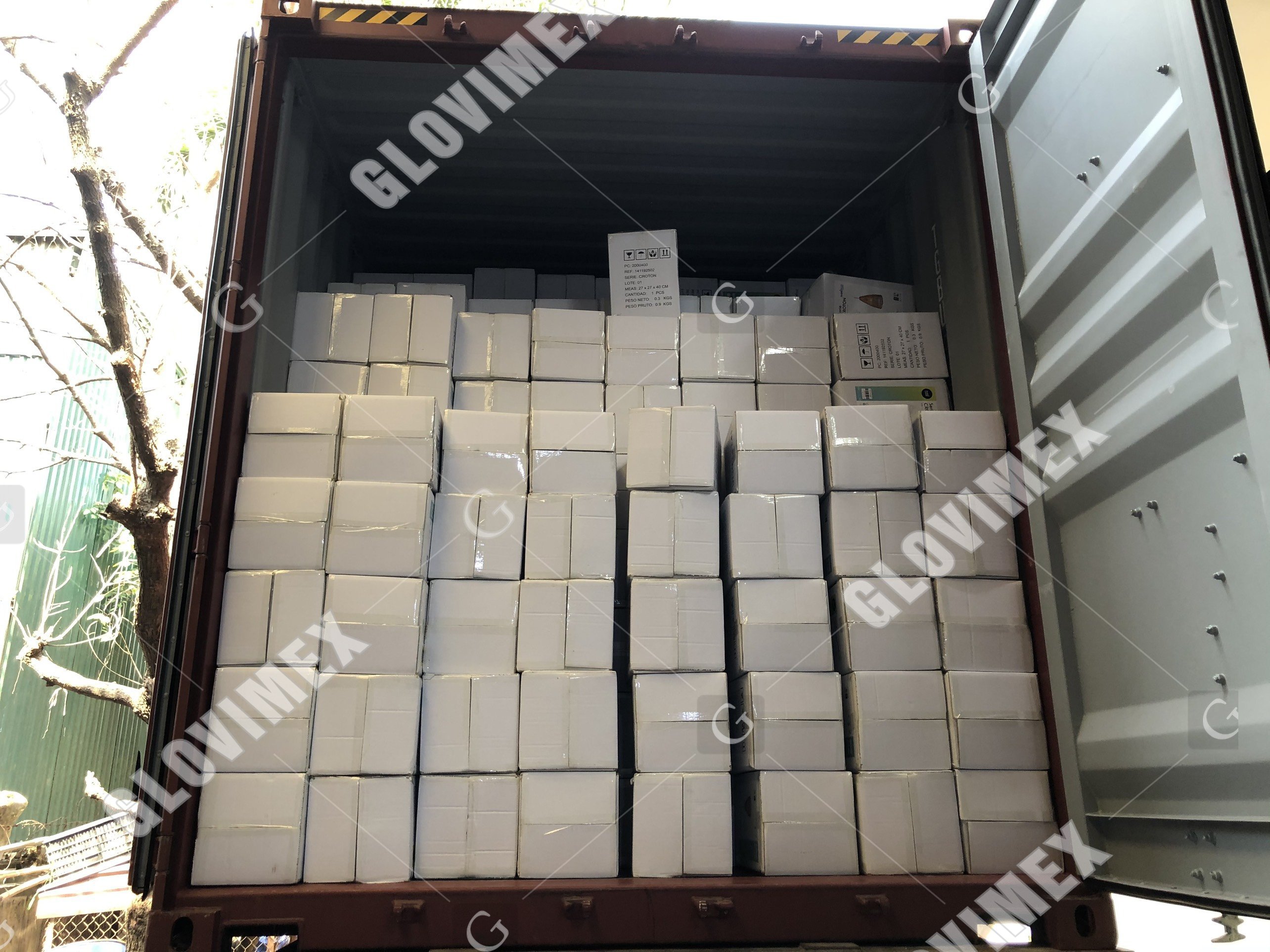
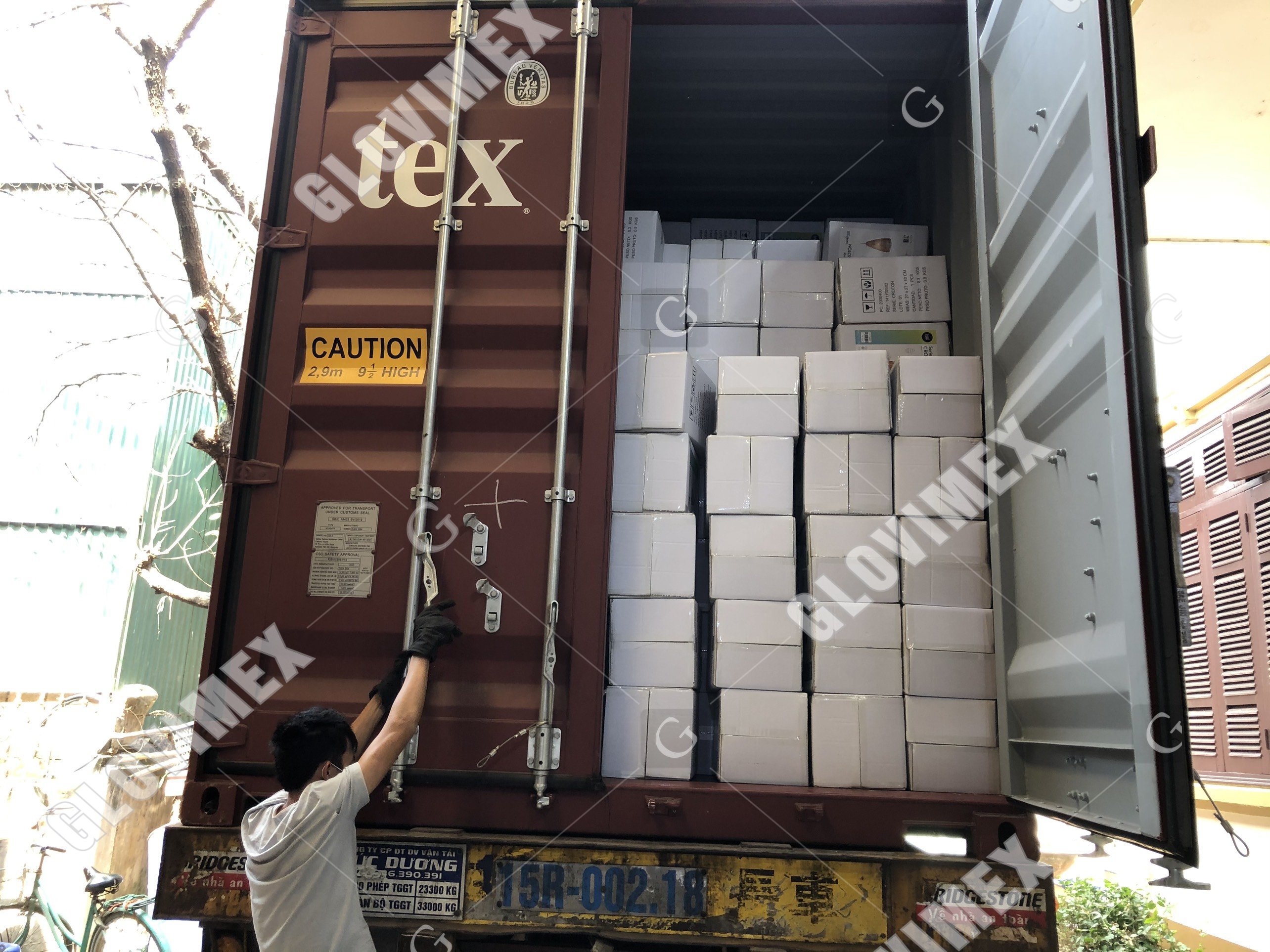
We plan carton placement to improve container use and reduce movement during transit. The loading method depends on carton dimensions, product construction and shipment volume.
Loading photos and videos can be prepared for buyers. Container and seal details are recorded and shared after loading and customs processing.
Vietrustic supports importers, wholesalers, retailers and hospitality buyers with custom product development.
